


Subscribe to our newsletter to be the first to hear about our latest news, updates, and current job opportunities. Stay up to date and don’t miss out!
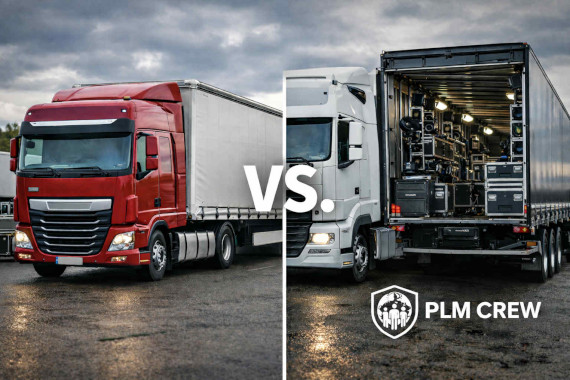
Many people think tour driving is "just" trucking with a different type of cargo. In reality, however, the difference between the two worlds is not quantitative but qualitative. The same vehicle, the same road — yet a completely different mindset, responsibility, and way of operating.
A truck driver drives the road.
A tour driver drives the system.
This is one of the most important differences.
In a traditional haulage job, the cargo has value, but it is replaceable.
On a tour:
If this does not arrive on time, it’s not just money that is lost, but:
The tour driver knows exactly:
they are not transporting a truck — but the backbone of the production.
Regular trucking often means:
Tour driving also involves time pressure — but with a different logic.
Here the question is not:
"Can I make it on time at any cost?"
But rather:
"Can we arrive in a way that allows us to set off again tomorrow?"
That’s why the tour driver knows:
This is not weakness. This is a professional decision.
In traditional haulage, the driver often:
On tour, this does not work.
Here, there is:
A tour driver doesn’t aim to be a hero, but a reliable team member.
They speak up when there’s a problem.
They raise the alarm when conditions deteriorate.
And they accept decisions that come from outside.
That’s the difference between "individual performance" and system-level operation.
A tour means:
This requires not only driving skills, but also:
A good tour driver knows:
it’s not about giving everything today, but about performing well enough every day.
Honestly:
not every good truck driver becomes a good tour driver.
It’s not for those
But it is for those
Regular trucking simply gets cargo to its destination, while tour driving keeps an operation running. The essential difference lies not in the number of kilometers driven, but in being able to set off again every single day.
Safely.
Consciously.
As a team
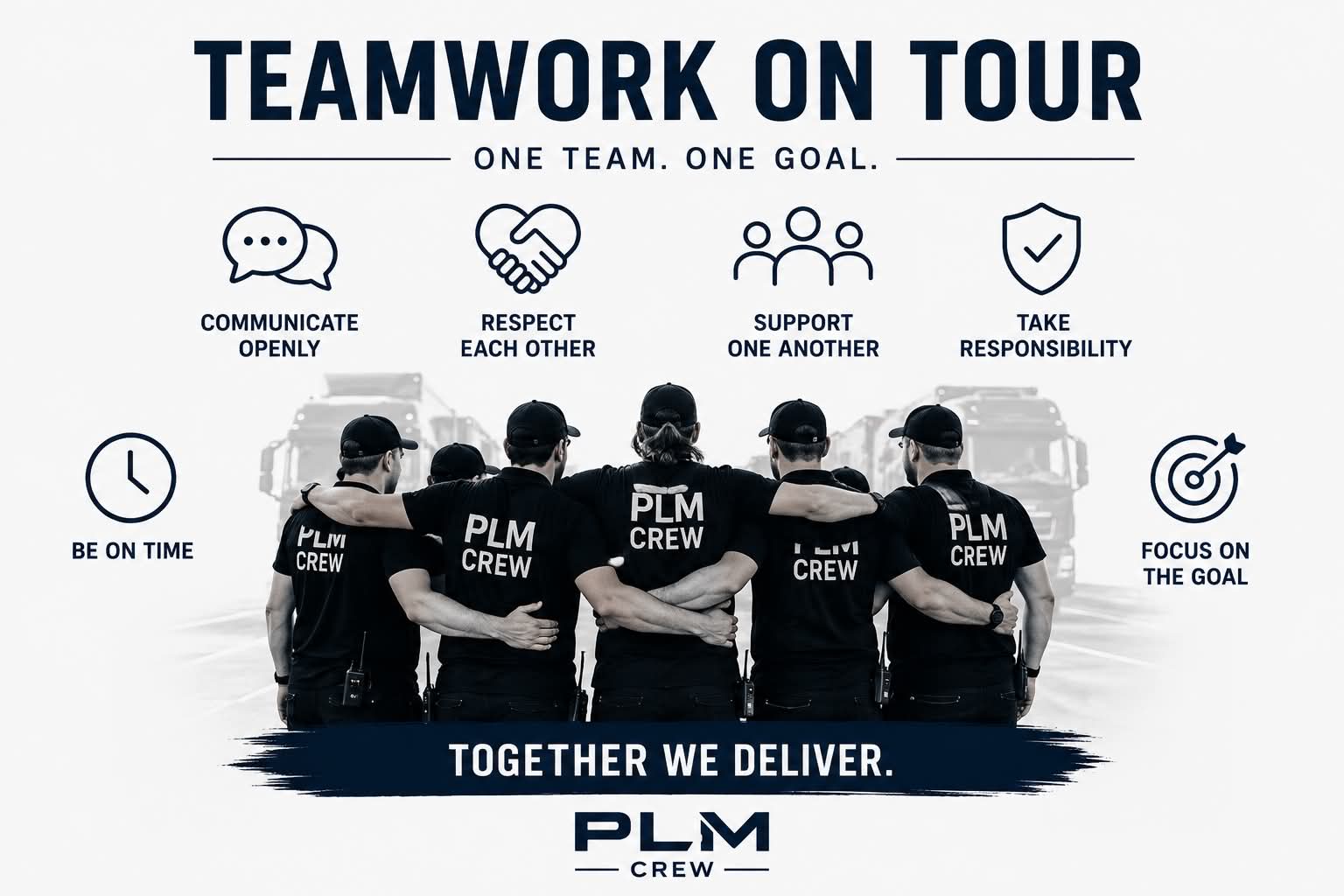
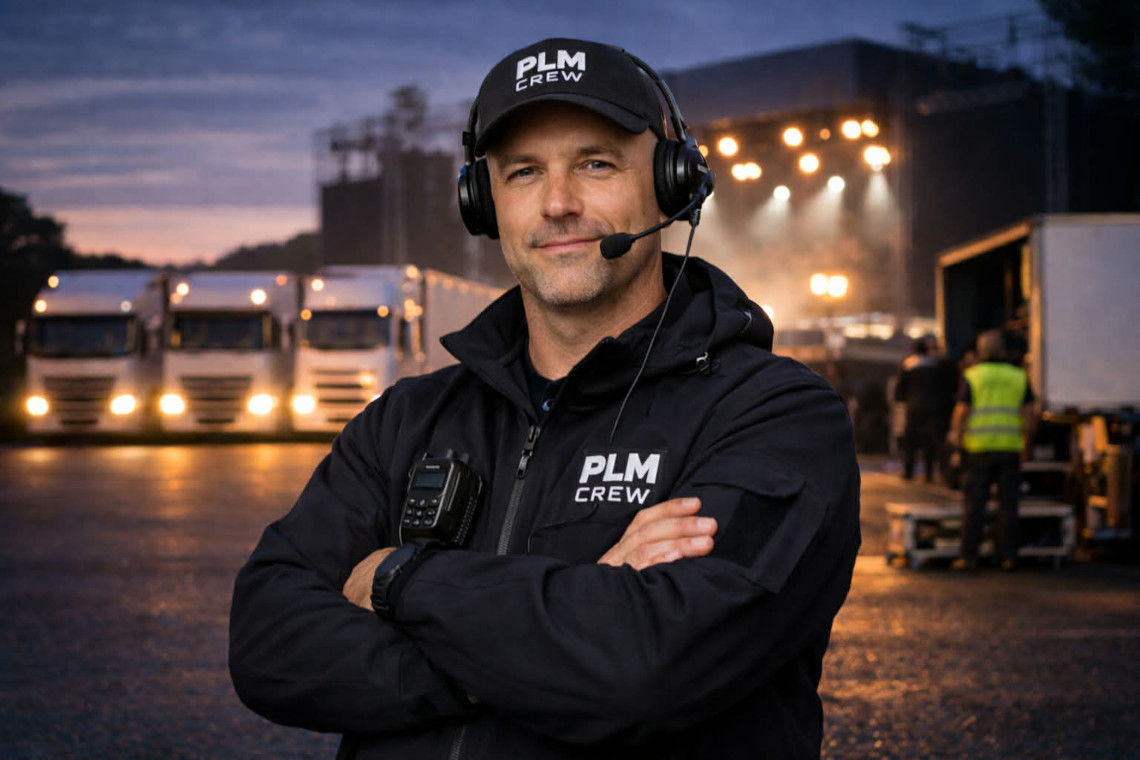
I have known Györgyi and Béla for a long time. Their professional dedication and consistency are outstanding. In every situation, they strive for the best solution while taking individual aspects into account, creating a well-thought-out and functional system together. I recommend their team with professional conviction.
We have worked together with Györgyi and Béla as partners in several projects. A reliable, long-term thinking team that I recommend with professional conviction.
It is a pleasure to work with the PLM Crew team. They always approach joint work prepared, openly and helpfully. Due to their reliable, correct and people-centered attitude, I recommend them with peace of mind.
I have been working as a driver with the PLM Crew team for a long time, and I could always count on them. They are characterized by correct, straightforward communication and real support, not only when everything is fine, but also in more difficult situations. It feels good to belong to a team where I am valued both as a person and as a professional.
I work as a truck driver at PLM Crew and have good experiences. I always know what to expect, the organization is in order, and if there is a problem, I can count on them. I like working in this team, so I can confidently recommend it to others.
Subscribe to our newsletter to be the first to hear about our latest news, updates, and current job opportunities. Stay up to date and don’t miss out!
Thank you for subscribing!
You will soon receive updates about our latest news, new developments, and current job opportunities.